
C is for Collagen: Does Your Supplement Actually Work?
I've been wanting to do this for a while. Wellness is packed with words that get thrown around constantly — in adverts, on packaging, in your group chat — with very little explanation of what they actually mean, let alone whether they work. So I'm launching an A–Z series — woven in between other pertinent topics over the coming months — where I take one buzzword at a time and give you the honest, evidence-backed version. Some letters will get more than one visit (C alone could keep us busy for a while — collagen, creatine…). No fluff.
I'm kicking off with C — because a client on our coaching call last week literally asked me about this, and I suspect she is far from alone. If there's a wellness word, supplement, or trend you want me to cover in this series, hit reply and tell me. I'll work it into the alphabet.
Collagen is everywhere right now. In your coffee. In your protein bar. In those beautifully packaged tubs with the minimalist fonts and the eye-watering price tags.
My client — a very sensible, very busy woman in her early 50s — held one up in our session last week and asked: “Is this actually doing anything, or am I just wasting my money?”
Excellent question. Let's get into it.
First: What Is Collagen, Actually?
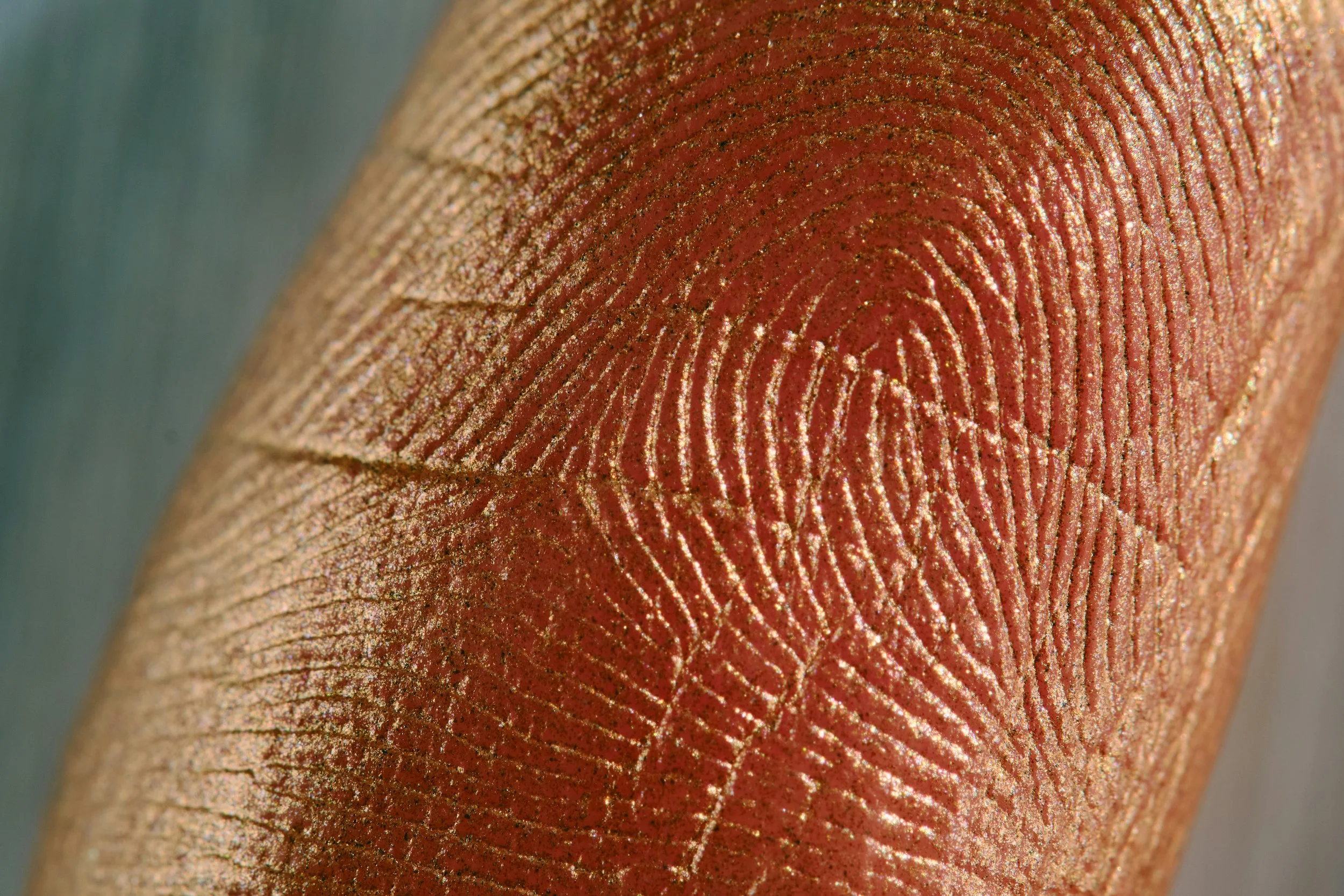
Collagen is the most abundant protein in your body — making up about 30% of your total protein content. It’s the structural scaffolding behind your skin, bones, tendons, cartilage, and connective tissue. Think of it as the glue holding the whole operation together.
Here’s the problem: your body's natural collagen production starts declining in your mid-20s and keeps dropping from there. UV exposure, smoking, excess sugar, and just — time — all accelerate the breakdown [1].
So wanting to top it up makes complete sense. The question is whether the powder in that tub is the way to do it.
The Science (The Actual Science, Not the Label)
The old argument: “It just gets digested like any other protein”
For years, the mainstream view was: pointless. Your digestive system breaks all proteins into amino acids anyway, and your body uses those amino acids for whatever it decides. It has no obligation to route them to your skin or your knees.
That critique was partially correct. And also, as researchers now understand, incomplete.
The updated view: it’s a bit more interesting than that
Modern collagen supplements aren’t whole collagen — they’re hydrolyzed collagen peptides: collagen broken into shorter chains through an enzymatic process.
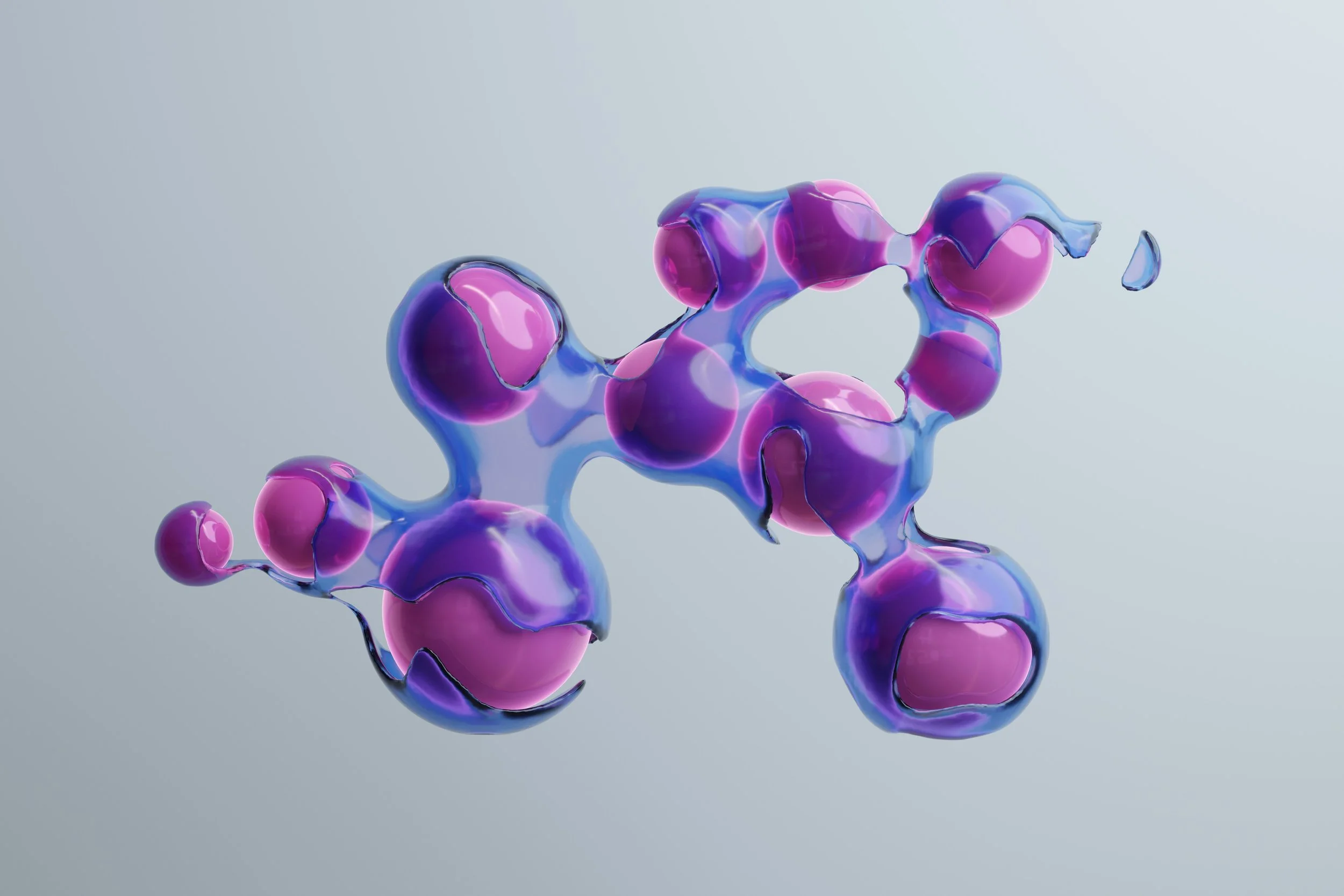
Some of these smaller peptides survive digestion and enter the bloodstream, where research suggests they may act as signalling molecules — nudging your fibroblasts (the cells that produce collagen) to step up production [2, 3].
❝ The science has moved from 'this does nothing' to 'this might do something — under specific conditions.' ❞
The most comprehensive review to date — published in 2025, covering 16 systematic reviews and nearly 8,000 participants — found cautiously positive evidence: moderate improvements in skin elasticity and hydration, and some reduction in joint pain, particularly in people with osteoarthritis [3]. A 2025 meta-analysis also found promise for bone density and muscle support when collagen was combined with vitamin D and calcium [4].
So it’s not snake oil. But it’s not magic either. Here’s what the packaging tends to leave out:
5 Things the Marketing Won’t Tell You
1. Most studies are small and industry-funded. A review found that 89% of positive collagen studies had direct financial ties to supplement companies. That doesn’t automatically make the findings wrong — but it does mean: read the label with healthy scepticism [5].
2. You cannot direct where the amino acids go. Harvard’s nutrition school puts it plainly: no human study has clearly shown that orally consumed collagen ends up specifically in your skin, hair, or nails. Your body uses it for what it most needs. You don’t get to vote [1].
3. It’s actually a poor-quality protein source. Collagen scores zero on the PDCAAS (a standard measure of protein quality) because it lacks the essential amino acid tryptophan. If you’re adding it to a shake for the protein hit, whey, eggs, or a good plant protein will serve you better [2].
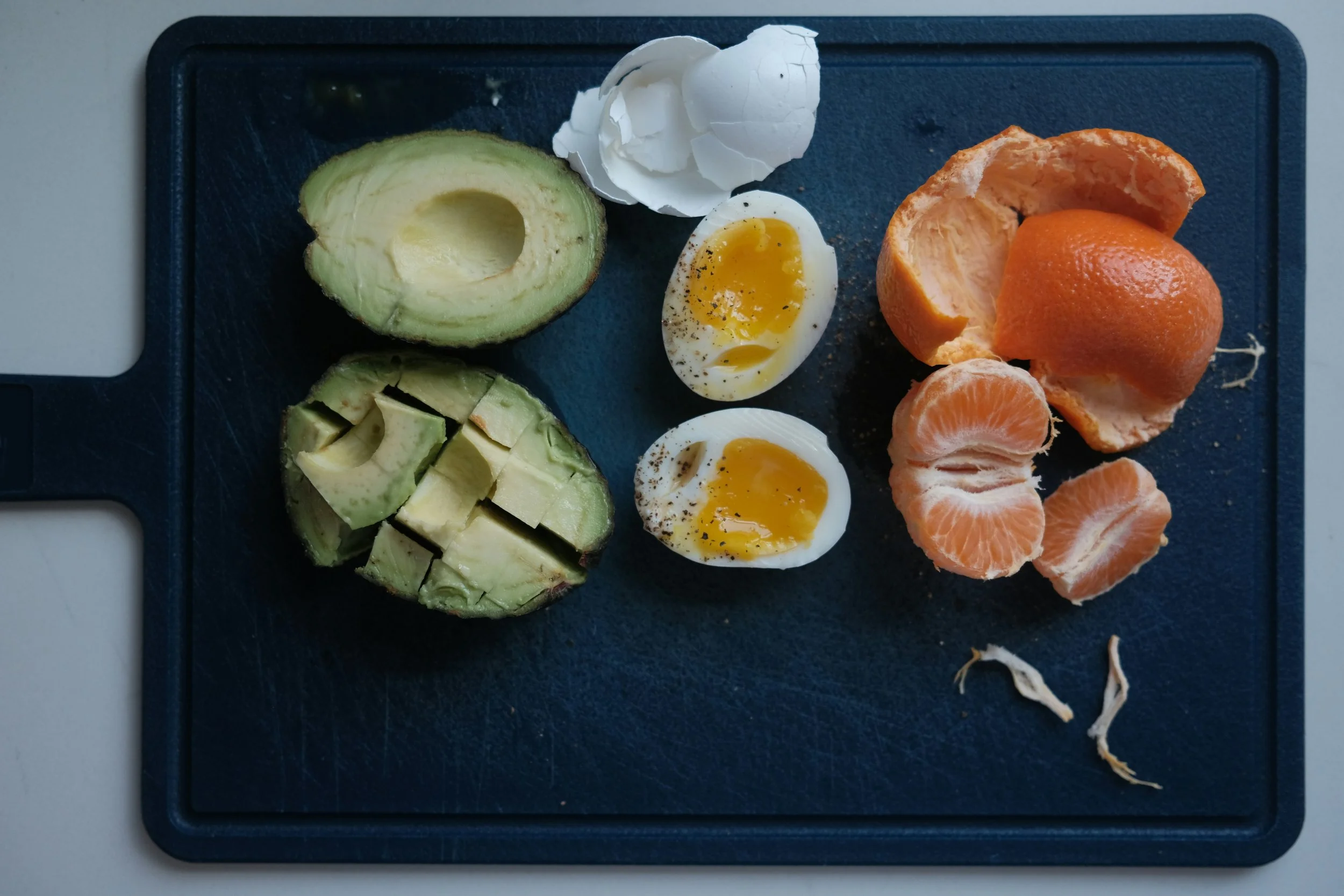
4. Vitamin C is non-negotiable. Your body cannot synthesise collagen — from food or supplements — without vitamin C. If your intake is low, those peptides aren’t going anywhere useful. Some products include it; many don’t [1].
5. Consistency matters more than brand. The 2025 review found benefits built up gradually over months — not weeks. No quick wins here [3].
So Should You Take It?
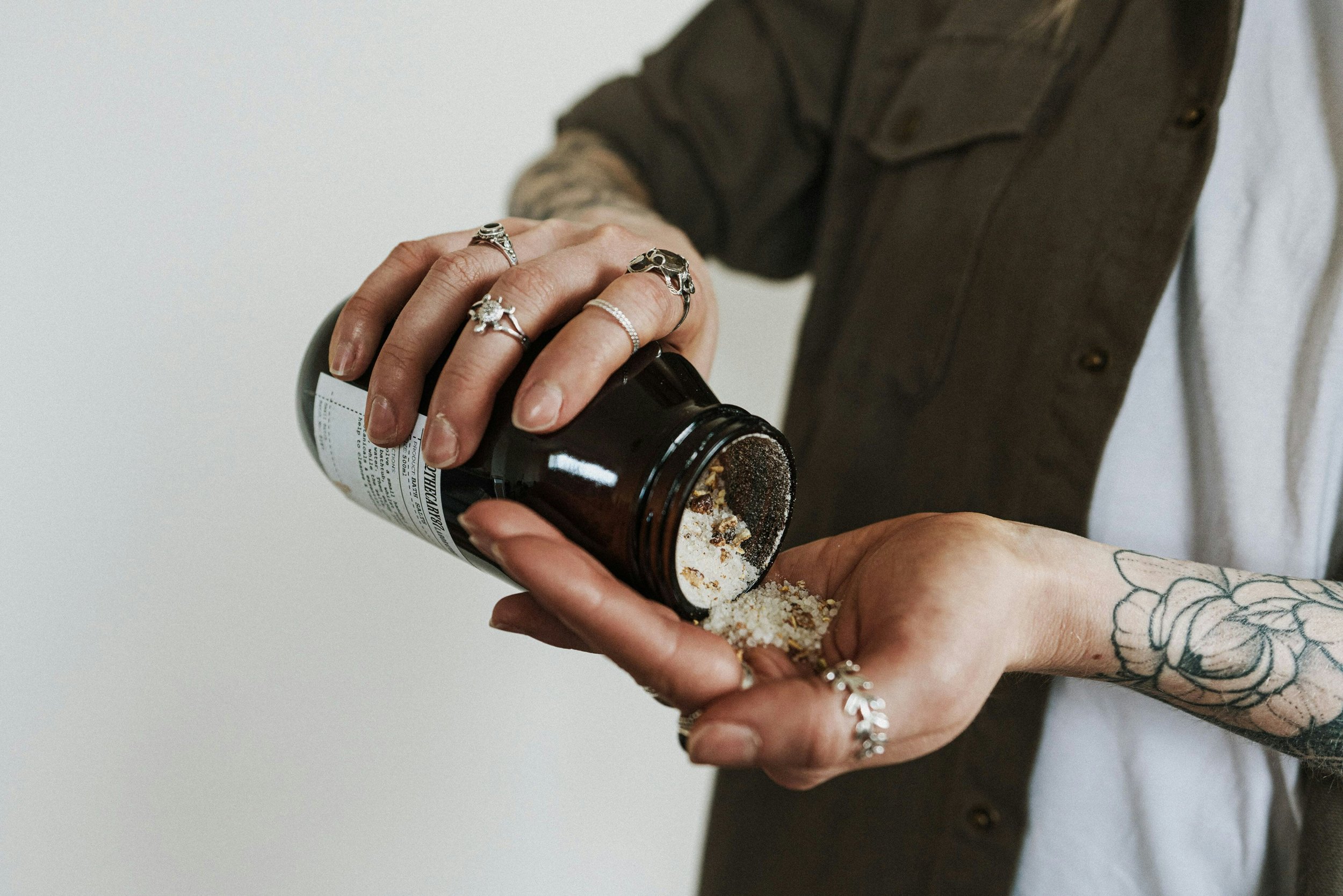
Here’s my honest take:
For joints: Evidence is genuinely promising if you’re consistent — 5–15g daily, for at least three months, ideally around exercise. Particularly relevant if you have osteoarthritis or are training hard [2].
For skin: Some real evidence for hydration and elasticity with specific hydrolyzed peptides at 5–10g over several months. Modest, but real [3].
For hair and nails: The evidence is very thin. One small study. No control group. Tempered expectations advised [1].
For gut health: Frequently claimed. Almost entirely unsubstantiated.
If you’re going to spend the money: look for hydrolyzed collagen peptides (not ‘collagen protein’), at least 5–10g per serving, and ideally with added vitamin C. Third-party tested is a bonus.
And for what it’s worth: a diet rich in glycine and proline — found in eggs, meat, fish, and legumes — alongside adequate vitamin C, directly supports your body’s own collagen synthesis. At a fraction of the cost, and without the beautiful packaging.
💬 What’s your letter?
This is the start of my A–Z of Wellness Buzzwords, and I want it to be useful to you. Is there a wellness term, supplement, diet trend, or health claim you keep hearing and want the straight story on? Reply to this email with your word and I’ll work it into the series. I read every one.
Work with me 1:1 Whether you want a clear-eyed look at your overall wellness, support navigating your health journey on a GLP-1 medication, or you’re finally ready to quit a habit that’s been following you around — or build one that keeps eluding you — that’s exactly what I do. No guesswork, no fads. Just evidence-based coaching that meets you where you are. → Book a free discovery call at thecoachingfriend.com
Warmly,
Sally