
The Real Talk About Holiday Wellness (and Why You Deserve to Be Kind to Yourself)
It's okay if the holidays feel complicated—here's how to navigate them with more ease.
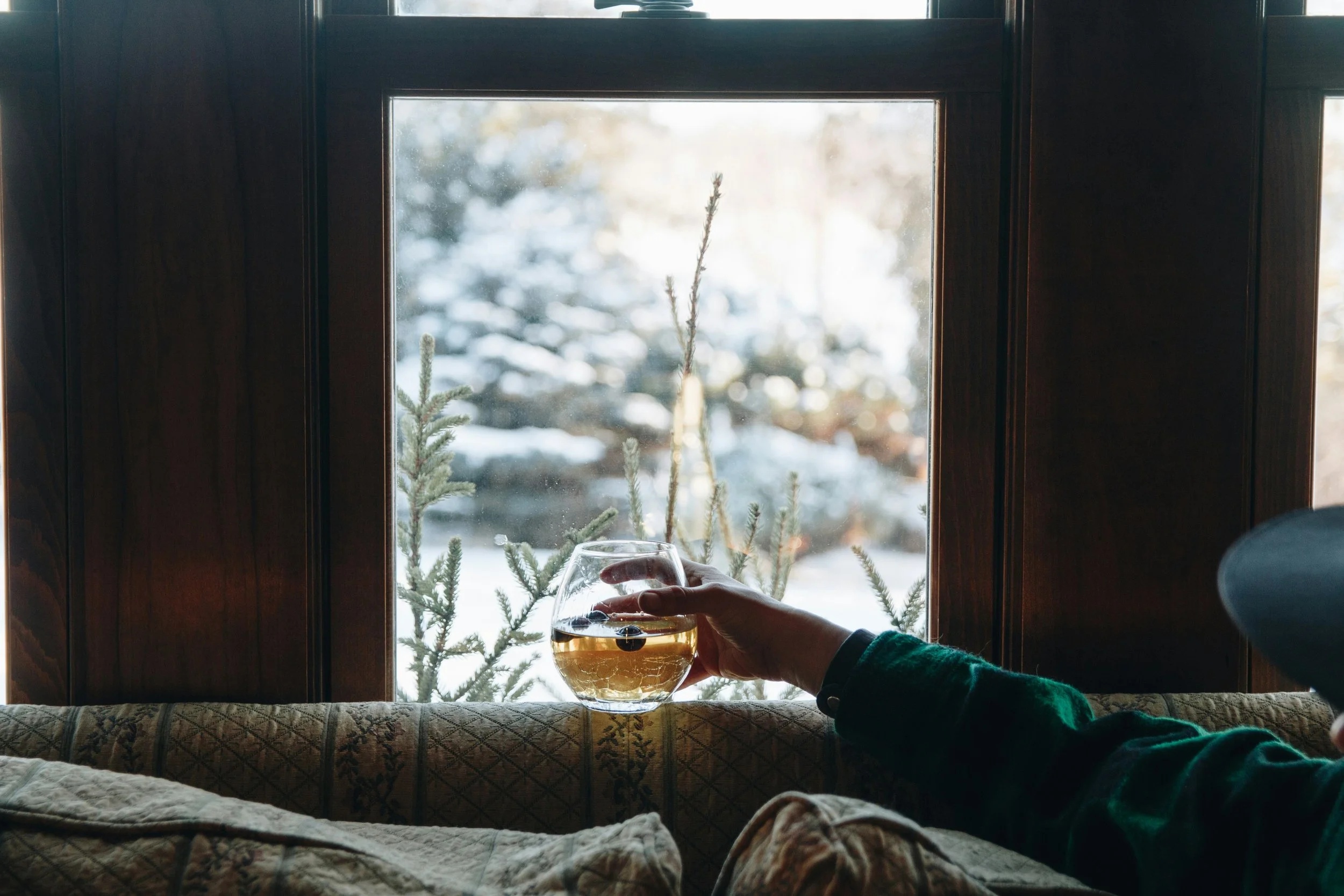
Holidays… a double-edged sword for some.
Hi there,
If you're reading this between juggling holiday shopping lists, navigating family dynamics, and wondering how you'll fit in your usual wellness routines—I see you.
The holidays are beautiful. They're also complicated. And if you're feeling that push-pull between the joy of celebration and the weight of expectation, you're not imagining it. In fact, you're right on trend with millions of Americans.
The Holiday Stress Reality Check
Let's start with what the research tells us: 41% of Americans anticipate more holiday stress this year than last (American Psychiatric Association, 2025). That's a significant jump from 28% in 2024, and the highest in three years. The economy continues to top the anxiety list, with 75% of adults feeling anxious about it, while 71% are concerned about healthcare (APA Healthy Minds Poll, November 2025).
But here's what makes the holidays uniquely challenging: nearly half of adults (48%) worry about missing someone or grief, and 46% stress about affording or finding gifts (APA, 2025). When we layer financial strain, difficult family dynamics (35% of us worry about this), and the cultural expectation that the holidays "should" be pure joy—it's no wonder 81% of people report feeling more stressed during this season (Sleepopolis Holiday Stress Survey, 2024).

The truth? It's completely normal for the holidays to bring mixed emotions. Joy and stress can—and do—coexist.
What Actually Changes During the Holidays
Understanding what shifts during this season can help us navigate it more intentionally:
1. We Move Less

Days are shorter, colder and we spend more of them indoors.
Research consistently shows that physical activity levels drop during winter months, while sedentary behavior increases (Tucker & Gilliland, 2007; International Journal of Behavioral Nutrition and Physical Activity, 2021). Cold weather, shorter days (less photoperiod), and precipitation all contribute to us sitting more. One systematic review found that physical activity levels are significantly higher in summer compared to winter across multiple countries and populations, including those with chronic conditions (Impact of Seasonality on Physical Activity study, 2021).
But here's what matters: when researchers studied the relationship between physical activity and health outcomes, they found the biggest benefit comes from going from sedentary to somewhat active—not from becoming a marathoner (Dr. Damon Swift, University of Virginia, 2025). Something really is better than nothing.
2. Our Eating Patterns Change
The myths about holiday weight gain are actually exaggerated—most people don't gain the infamous "5-10 pounds" the media loves to report. Research published in the New England Journal of Medicine found the average American gains about 0.37 kg (just under 1 pound) during the 6-week period from Thanksgiving to New Year's (Yanovski et al., 2000).
However, here's the catch: that weight accounts for 51% of annual weight gain, and most people don't lose it (Yanovski et al., 2000). A European study found that weight increased by 1.35% over Christmas and wasn't fully compensated for in following months (Turicchi et al., 2020).
What's driving this? Not a decrease in energy expenditure, but an increase in energy intake—about 80 extra calories per day during the holiday period (Bhutani et al., 2020). The study also found:
Increased eating at sit-down restaurants
Lower satisfaction after meals (suggesting compromised satiety signals)
Greater exposure to food cues and social facilitation of eating
Nearly 82% of people indulge in more desserts during holidays
About 32% increase their alcohol consumption (Sleepopolis, 2024)
3. We're More Socially Engaged (Whether We Want to Be or Not)
The holidays bring more parties, gatherings, and family time—which can be wonderful and exhausting. About 61% of people look forward to seeing family and friends during this season (APA, 2025), but 30% of us also identify extended family as causing the most stress (Sesame Care Survey, 2024).
Nearly 60% of Americans in 2024 worried that political discussions would impact social gatherings, adding another layer of tension to holiday interactions (Sesame Care, 2024).
The Joy-and-Stress Paradox
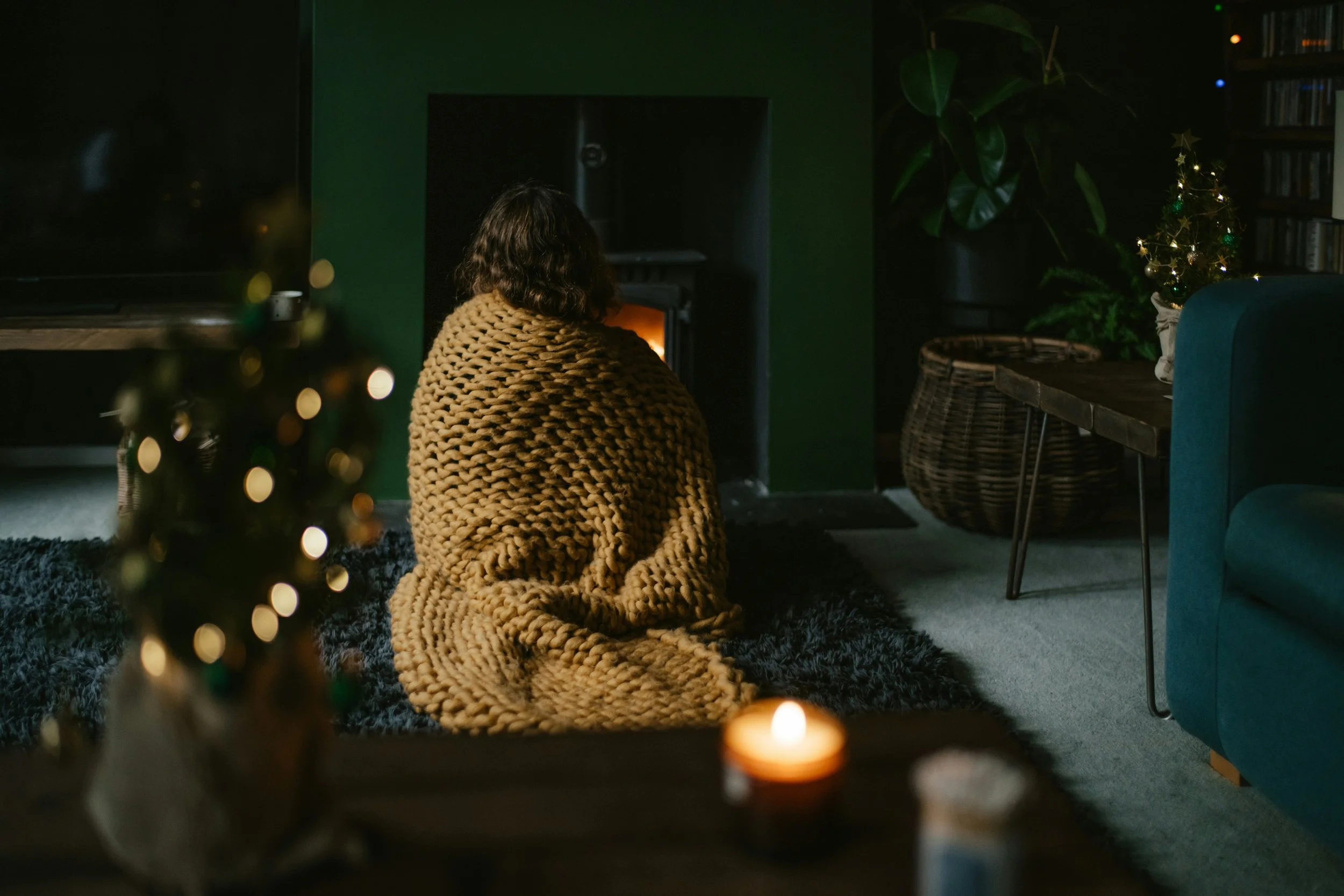
Is it "the most wonderful time of the year"?
Here's what makes the holidays particularly tricky: we're told they should be "the most wonderful time of the year," creating an emotional expectation that doesn't match reality for many people. When our experience doesn't align with this cultural narrative, it can trigger guilt, shame, or the feeling that something is wrong with us.
But get this: 44% of people say the holidays have a positive impact on their mental health (APA, 2025)—which also means 56% don't feel that way. You're not broken if you're struggling. You're human.
Research on self-compassion shows that being kind to ourselves during difficult times actually reduces stress and improves our ability to cope (Neff & Germer, 2013). Studies have found that self-compassion training leads to:
Decreased stress, burnout, and anxiety symptoms
Improved cortisol regulation (our stress hormone)
Better emotional regulation
Enhanced overall well-being (Shapiro et al., 2007; Friis et al., 2016; Mindfulness journal, 2024)
Self-compassion isn't about lowering your standards—it's about changing how you talk to yourself when you don't meet them.
Your Holiday Wellness Game Plan
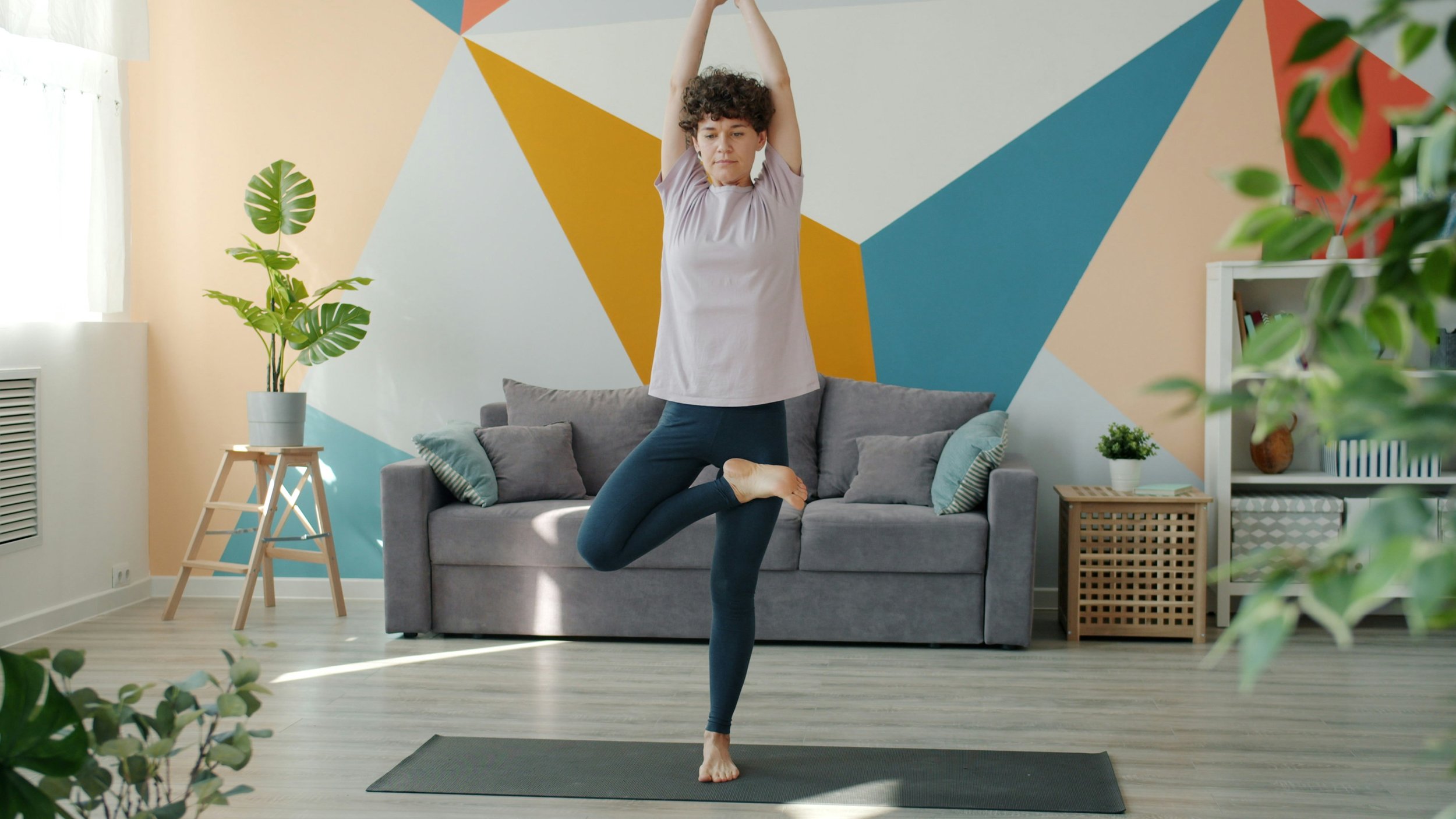
Move that body, even if it’s just a little.
So how do we maintain wellness during this complex season? Here are evidence-based strategies:
Move Your Body (Even a Little)
Aim for the recommended 150 minutes of moderate activity per week, but remember: going from sedentary to "somewhat active" gives you the biggest health bang for your buck (American Heart Association; CDC)
Plan exercise at the same time daily—consistency builds habits (Swift, 2025)
Indoor options count: online workout videos, dancing in your living room, walking in a mall
Outdoor options work too: bundling up for walks gives you vitamin D and mood benefits (American Heart Association, 2025)
Never miss a Monday—starting the week strong helps you stay on track even if the rest of the week goes sideways (Swift, 2025)
Eat Mindfully, Not Perfectly
Practice the 80/20 rule: most of the time, nourish your body; some of the time, enjoy celebration foods
Before holiday meals, take a moment to check in with your hunger and fullness cues
Choose what's truly worth it to you—not everything has to be tasted
Research shows that self-weighing regularly and making conscious choices about which foods are "worth it" are two strategies most associated with less holiday weight gain (National Weight Control Registry study)
Slow down while eating—your brain needs about 20 minutes to register fullness
Set Realistic Expectations
You don't have to attend every event
Traditions can be modified or skipped
"No" is a complete sentence
Progress, not perfection, is the goal
Practice Self-Compassion
Studies show that mindfulness-based self-compassion interventions effectively reduce stress and improve well-being (Frontiers in Psychology, 2018). Try this simple practice:
Acknowledge: "This is a moment of struggle/stress"
Normalize: "The holidays are hard for many people"
Kindness: "May I be kind to myself right now"
Monitor Without Obsessing
If stepping on the scale daily helps you stay aware without spiraling, do it. If it triggers anxiety, choose other metrics like energy levels, how your clothes fit, or your mood.
For Those of You on GLP-1 Medications
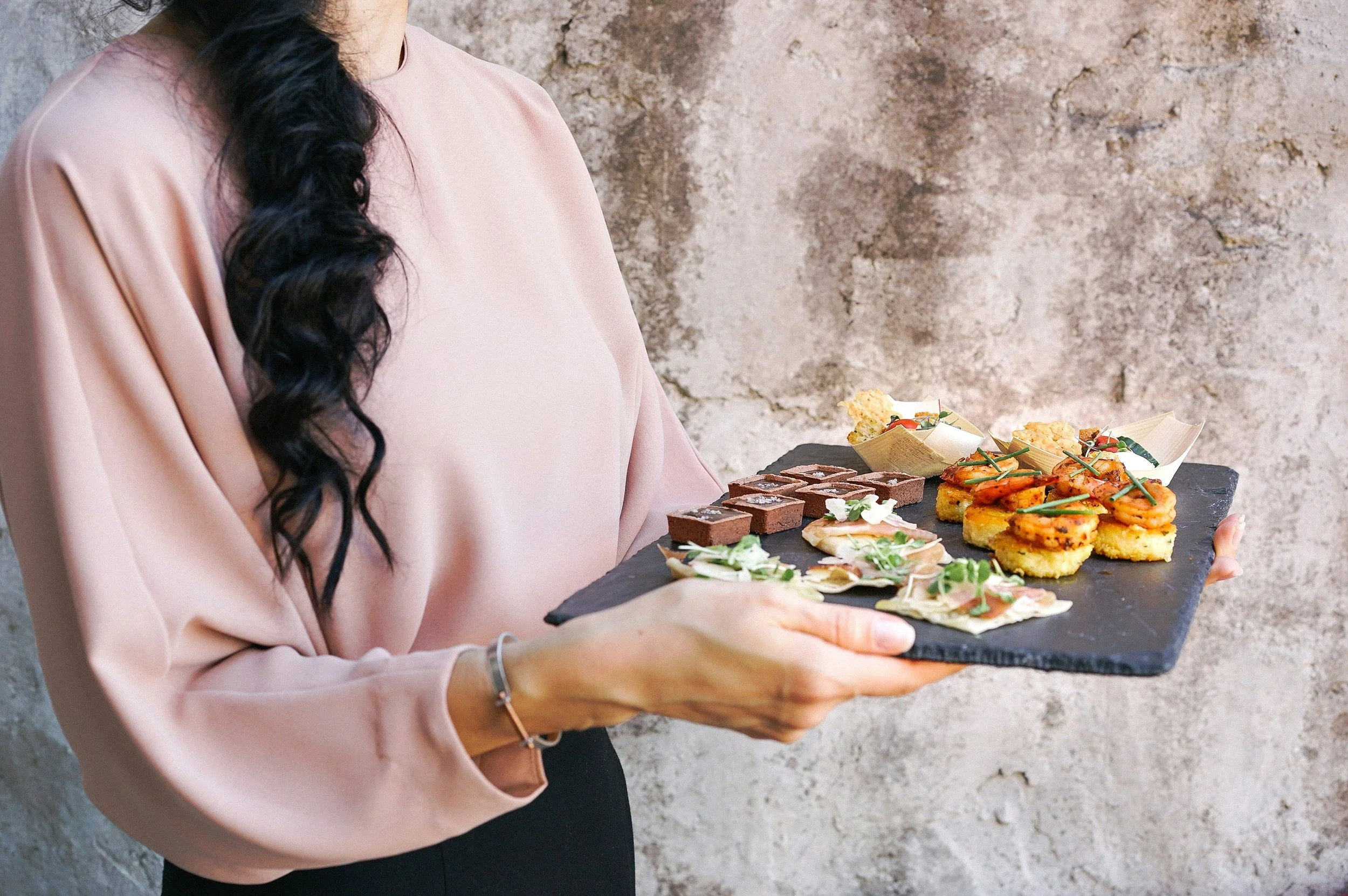
Tips in the guide - link below!
The holidays present unique considerations when you're on medications like Ozempic, Wegovy, or Mounjaro:
Your appetite may be significantly different—honor those signals
Rich, high-fat foods may not sit well—you might naturally gravitate toward lighter options
Social pressure to eat may be more pronounced when you're eating less
Your relationship with food is evolving—give yourself grace in social situations
I've created a free Holiday Survival Guide specifically for people on GLP-1 medications. It includes strategies for navigating holiday meals, scripts for handling food-pushy relatives, and ways to stay aligned with your wellness goals without feeling deprived. Download your free guide here.
The Bottom Line
The holidays will never be perfect. They will likely always involve some mix of joy, stress, connection, exhaustion, nostalgia, and maybe a little family drama. That's not a problem to solve—that's the human experience.
What matters is how kind you are to yourself through it all.
Your wellness matters in December just as much as it does in January (when everyone is suddenly interested in "getting back on track"). You don't need to wait for a New Year to take care of yourself. You can start—or restart—right now, right where you are.
Ready to Make 2025 Your Year?
If you're thinking about investing in your health and wellness in the new year, now is the perfect time to lock in 2025 pricing for:
1:1 Health Coaching: Personalized support tailored to your unique goals, challenges, and life circumstances. We'll work together to create sustainable habits that actually fit your life—not someone else's blueprint.
The Lighter Evolution™ Group Coaching Program: My 12-week intensive program designed specifically for women 30+ using GLP-1 medications. This isn't just about the scale—it's about rebuilding your relationship with food, your body, and yourself. Together, we'll navigate the physical, emotional, and lifestyle changes that come with GLP-1 therapy, so you can create lasting transformation beyond weight loss.
Schedule a free discovery call to learn which option is right for you.
Remember: showing up for yourself, especially during challenging seasons, is one of the bravest things you can do.
I'm here, cheering you on through every imperfect, messy, beautiful moment.
With warmth and compassion,
Sally
P.S. Please subscribe below or share with a friend you love, who you know needs to hear this too.
ReferencesAmerican Psychiatric Association. (2024). One quarter of Americans say they are more stressed this holiday season than in 2023. APA Healthy Minds Monthly Poll. Retrieved from https://www.psychiatry.org/news-room/news-releases/one-quarter-of-americans-say-they-are-more-stresseAmerican Psychiatric Association. (2025). Americans are more anxious than last year about the upcoming holidays. APA Healthy Minds Poll. Retrieved from https://www.psychiatry.org/News-room/News-Releases/Americans-More-Anxious-About-the-HolidaysAmerican Psychological Association. (n.d.). 38% of people say their stress increases during the holiday season. Retrieved from multiple sources cited in Texas Health article on mental health and holidays.Bhutani, S., Wells, N., Finlayson, G., & Schoeller, D. A. (2020). Change in eating pattern as a contributor to energy intake and weight gain during the winter holiday period in obese adults. International Journal of Obesity, 44(7), 1586-1595. https://doi.org/10.1038/s41366-020-0562-2Friis, A. M., Johnson, M. H., Cutfield, R. G., & Consedine, N. S. (2016). Kindness matters: A randomized controlled trial of a mindful self-compassion intervention improves depression, distress, and HbA1c among patients with diabetes. Diabetes Care, 39(11), 1963-1971.Harvard Health Publishing. (2016). Holiday weight gain is a worldwide phenomenon, study suggests. Retrieved from https://www.health.harvard.edu/diet-and-weight-loss/holiday-weight-gain-is-a-worldwide-phenomenon-study-suggestsNeff, K. D., & Germer, C. K. (2013). A pilot study and randomized controlled trial of the mindful self-compassion program. Journal of Clinical Psychology, 69(1), 28-44.Sesame Care. (2024). 2024 election & holiday stress survey results. Retrieved from https://sesamecare.com/blog/holiday-stress-surveyShapiro, S. L., Brown, K. W., & Biegel, G. M. (2007). Teaching self-care to caregivers: Effects of mindfulness-based stress reduction on the mental health of therapists in training. Training and Education in Professional Psychology, 1(2), 105-115.Sleepopolis. (2024). Holiday stress survey 2024. Retrieved from https://sleepopolis.com/education/holiday-stress-survey-2024/Swift, D. (2025). Five tips to keep active through the winter. University of Virginia School of Education and Human Development. Retrieved from https://news.virginia.edu/content/here-are-5-tips-keep-active-through-winterTucker, P., & Gilliland, J. (2007). The effect of season and weather on physical activity: A systematic review. Public Health, 121(12), 909-922.Turicchi, J., O'Driscoll, R., Horgan, G., et al. (2020). Weekly, seasonal and holiday body weight fluctuation patterns among individuals engaged in a European multi-centre behavioural weight loss maintenance intervention. PLOS ONE, 15(4), e0232152. https://doi.org/10.1371/journal.pone.0232152University of Leeds & International Journal of Behavioral Nutrition and Physical Activity. (2021). Seasons, weather, and device-measured movement behaviors: A scoping review. Retrieved from https://link.springer.com/article/10.1186/s12966-021-01091-1Yanovski, J. A., Yanovski, S. Z., Sovik, K. N., Nguyen, T. T., O'Neil, P. M., & Sebring, N. G. (2000). A prospective study of holiday weight gain. New England Journal of Medicine, 342(12), 861-867.